Picture This Scenario
Two cows. Same breed. Same farm.
• Cow A is fed mostly dry hay
• Cow B is fed mostly maize silage
After a few weeks, Cow B is usually producing more milk.
Why?
Because silage is generally:
• More nutritious
• More palatable (cows enjoy it more)
• Higher in energy
But that doesn’t mean hay is inferior. Not at all.
What Exactly Is the Difference?
Hay
• Grass that is cut and dried
• Low moisture
• Easy to store
• Can last many months if kept dry
Silage
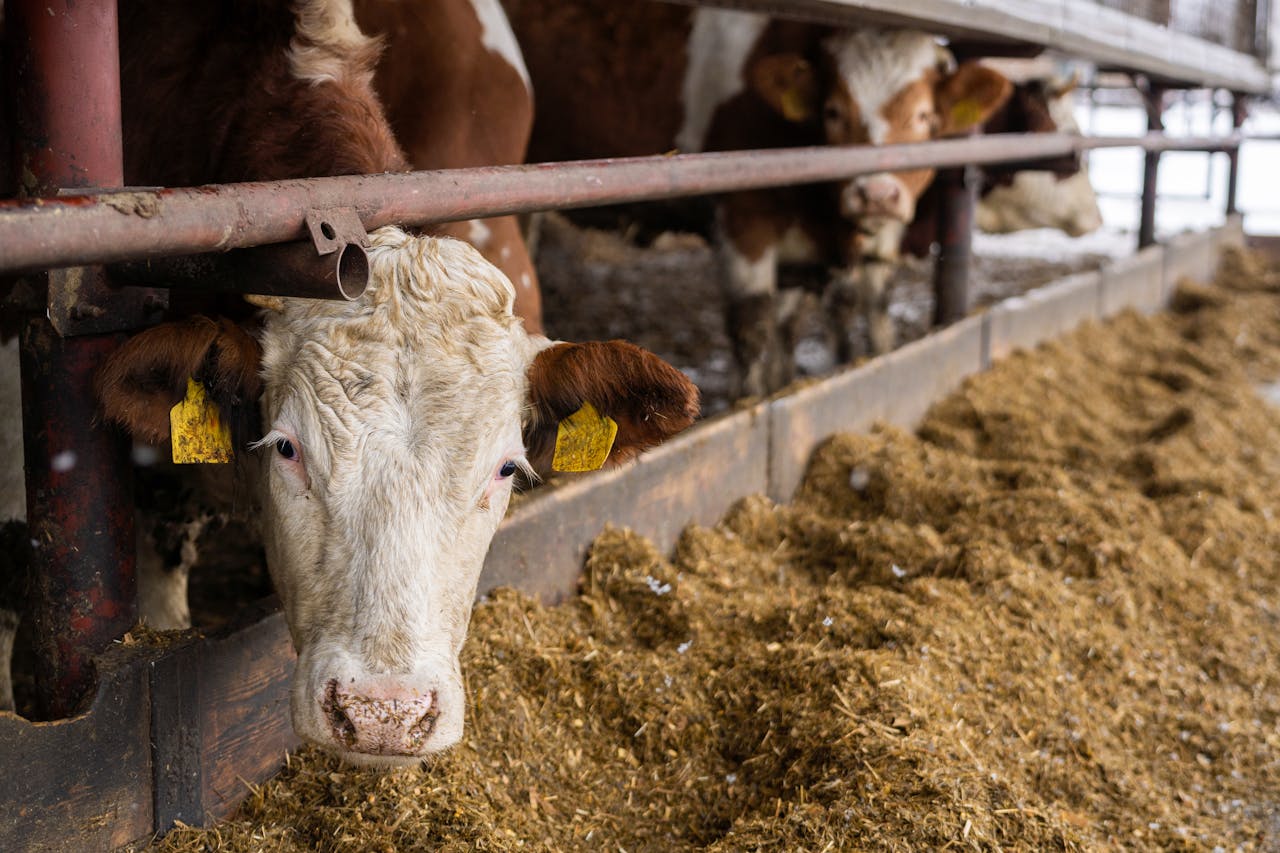
• Fresh crops (often maize) that are chopped and fermented
• High moisture
• Rich in nutrients
• Requires proper preparation and storage
Different process. Different strengths.
Where Silage Wins
If your goal is maximum milk production, silage has a strong advantage.
Silage:
• Provides more energy for milk production
• Encourages higher feed intake
• Supports high-producing cows
This is why many commercial dairy farms rely heavily on silage.
But there is a catch…
Silage must be:
• Well fermented
• Properly stored
• Free from mold
Poor silage can reduce milk and even harm cows.
Where Hay Shines
Hay is the quiet, reliable option.
It may not always push milk to the highest levels, but it:
• Is easy to make and store
• Has lower risk of spoilage
• Is convenient for transport and selling
• Works well for both small and large farms
For many farmers, especially in rural areas, hay is the most practical starting point.
The Mistake Farmers Make
Some farmers treat it like a competition:
• “I only use hay”
• “I only use silage”
This is where opportunity is lost.
Because the real advantage comes from combining both.
A Smarter Approach: Use Both
Think of it this way:
• Silage → drives milk production
• Hay → provides stability and backup
A practical feeding approach:
• Use silage as the main feed for milking cows
• Use hay to supplement or fill gaps
• Keep hay as a reserve for emergencies
This combination reduces risk and improves results.
What About the Dry Season?
This is where the difference becomes very clear.
• Silage helps maintain higher milk levels
• Hay helps ensure you never run out of feed
Farmers who depend on only one feed often struggle:
• Only hay → milk may drop
• Only silage → risk of shortage if not enough is prepared
Balanced planning wins.
For Urban vs Rural Farmers
Urban farmers:
• May rely more on purchased hay and silage
• Should secure supply early before prices rise
Rural farmers:
• Can produce their own hay
• Can invest in silage making during maize season
Both can succeed, with proper planning.
So… Which Is Better?
If the question is:
• For higher milk? → Silage
• For convenience and storage? → Hay
• For a reliable feeding system? → Both
That’s the real answer.
The Bottom Line
Hay and silage are not competitors, they are partners.
When used correctly:
• Silage boosts production
• Hay provides security
• Together, they ensure consistency
And in dairy farming, consistency is everything.
📞 Take Action
Don’t wait for feed shortages to decide for you.
Radiant Farm Uganda Limited provides quality hay and maize silage to help farmers build a balanced feeding system that supports milk production in every season.
Contact Radiant Farm today and prepare your farm for every season by ordering forage from our website (click here) or from the nearby authorised dealer (click here to find out more)
🐄🌾😉 Call / WhatsApp to confirm your Hay or Maize silage ORDER NOW!
📲📞 +256 790 810 337
📲📞 +256 702 350 821
📲 📞+256 702 760 564
📩 Email: kampala@radiantfarmug.com
📍 Farm Location: Plot 5 Kitotolo Road, Nsangabwami Kikandwa, Mityana - Uganda.
By Oliver Namirimu,
The Manager - Production and Operations at Radiant Farm, specializing in sustainable farming practices and animal nutrition.
Please subscribe to our newsletter ( https://radiantfarmug.com/ ) for more updates from Radiant Farm Uganda.