Start With the Nose, Not the Eyes
The fastest way to judge silage is not by looking, it’s by smelling.
Good silage smells:
* Slightly sweet
* Fresh, like fermented fruit
Poor silage smells:
* Rotten or sour (like vinegar gone bad)
* Moldy or damp
* Like ammonia
If the smell is unpleasant, cows will reduce intake, and milk drops quickly.
Look Closer: What Do You See?
Now take a handful and observe.
Good silage:
* Greenish to light brown
* Moist but not dripping
* Clearly chopped pieces
Poor silage:
* Black or very dark
* Slimy or overly wet
* Visible mold (white, blue, or black patches)
Mold is not just a quality issue, it can affect cow health.
The Hidden Problem: Nutrient Loss
Here’s what many farmers don’t realize:
Even when cows eat poor silage, they may be getting less nutrition than expected.
Research shows that poorly made or exposed silage can lose up to 30% of its nutritional value due to air exposure and bad fermentation.
So you may be feeding “a lot”… but producing little milk.
Watch the Cow, She Tells the Truth
Sometimes the silage looks fine, but the cow gives you the real answer.
Signs of poor silage include:
* Reduced feed intake
* Sorting (leaving parts of the feed)
* Drop in milk production
* Digestive issues (loose dung or reduced cud chewing)
When cows reject silage, don’t force it, investigate it.
What Causes Poor Silage?
Most silage problems come from a few key mistakes:
1. Too Much Air
Silage must be stored airtight.
Air causes:
* Spoilage
* Mold growth
* Nutrient loss
2. Too Much or Too Little Moisture
* Too wet → leads to bad fermentation and nutrient loss
* Too dry → prevents proper fermentation
Good silage comes from maize harvested at the right stage (milk to dough stage).
3. Poor Compaction
If silage is not tightly packed:
* Air pockets remain
* Spoilage increases
Proper compaction is critical, especially in pits or bunkers.
4. Delayed Sealing
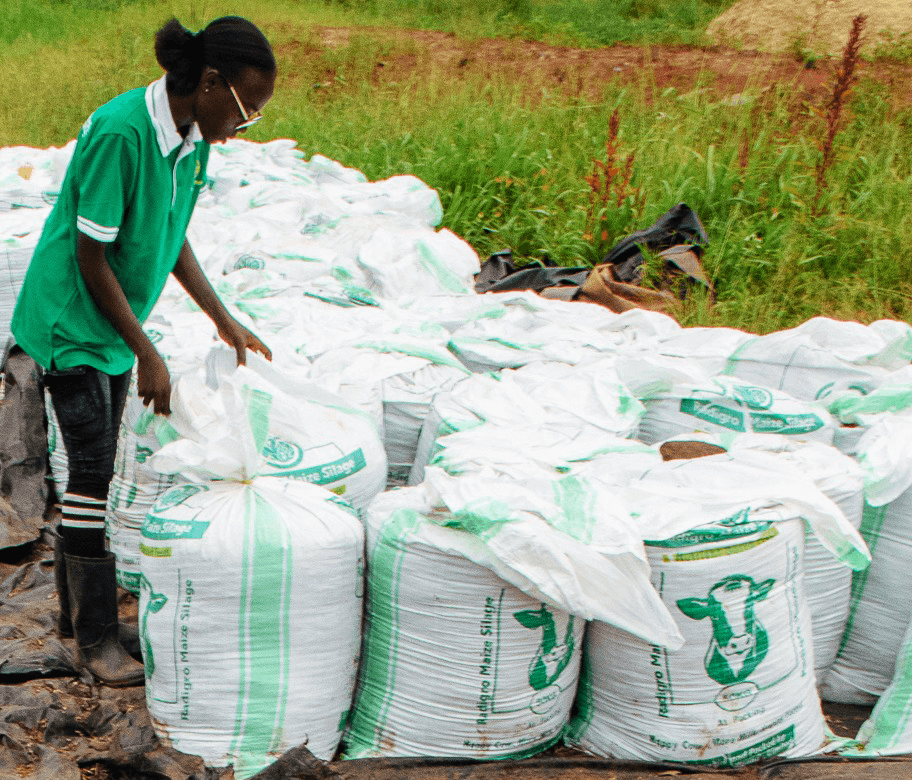
Silage should be covered immediately after filling.
Delays allow:
* Air entry
* Heating
* Loss of quality
How to Avoid Poor Silage (Simple Rules That Work)
Smart farmers follow a few non-negotiables:
* Harvest maize at the right maturity stage
* Chop into small, uniform pieces
* Compact tightly to remove air
* Seal immediately with proper covering
* Protect from rain and damage
* Open and use progressively (don’t expose the whole stack)
These steps make the difference between feed that builds milk and feed that wastes money.
One Insight Worth Remembering
Silage is not just about storage, it is about fermentation quality.
Good fermentation:
* Preserves nutrients
* Improves digestibility
* Increases intake
Bad fermentation:
* Destroys nutrients
* Reduces intake
* Lowers milk production
The Bottom Line
Poor quality silage costs farmers in three ways:
* Reduced milk production
* Wasted feed
* Potential health risks
Good silage, on the other hand, delivers:
* Higher intake
* Better nutrition
* Stable milk production
The difference is in how it is made and stored.
📞 Take Action
Don’t let poor silage reduce your farm’s performance.
Radiant Farm Uganda Limited provides high-quality maize silage and hay prepared under proper standards to support consistent milk production.
Contact Radiant Farm today and feed your cows with confidence. 🐄🌽🌾
Order forage from our website (click here) or from the nearby authorised dealer (click here to find out more)
😉 Call / WhatsApp to confirm your Hay or Maize silage ORDER NOW!
📲📞 +256 790 810 337
📲📞 +256 702 350 821
📲 📞+256 702 760 564
📩 Email: kampala@radiantfarmug.com
📍 Farm Location: Plot 5 Kitotolo Road, Nsangabwami Kikandwa, Mityana - Uganda.
By Oliver Namirimu,
The Manager - Production and Operations at Radiant Farm, specializing in sustainable farming practices and animal nutrition.
Please subscribe to our newsletter ( https://radiantfarmug.com/ ) for more updates from Radiant Farm Uganda.