Hay Does Not Spoil Overnight, It Slowly Loses Value
Good hay is like money in the bank.
But poor storage is like leaving that money in the rain.
Studies show that poorly stored hay can lose 20-40% of its nutritional value due to moisture, mold, and exposure.
So even when cows are eating, they may be getting less nutrition than you think.
The First Rule: Keep Hay Dry, Completely Dry
This sounds obvious, but it is where most problems begin.
Hay must be:
* Properly dried before storage
* Protected from rain, ground moisture, and humidity
If hay is stored while still slightly wet:
* It heats up
* Develops mold
* Loses nutrients
And in some cases, it can even become unsafe for cows.
The Ground Is Not Your Friend
Many farmers stack hay directly on the ground.
This is a costly mistake.
The bottom layer absorbs moisture from the soil, leading to:
* Rotting
* Mold growth
* Feed wastage
Simple solution:
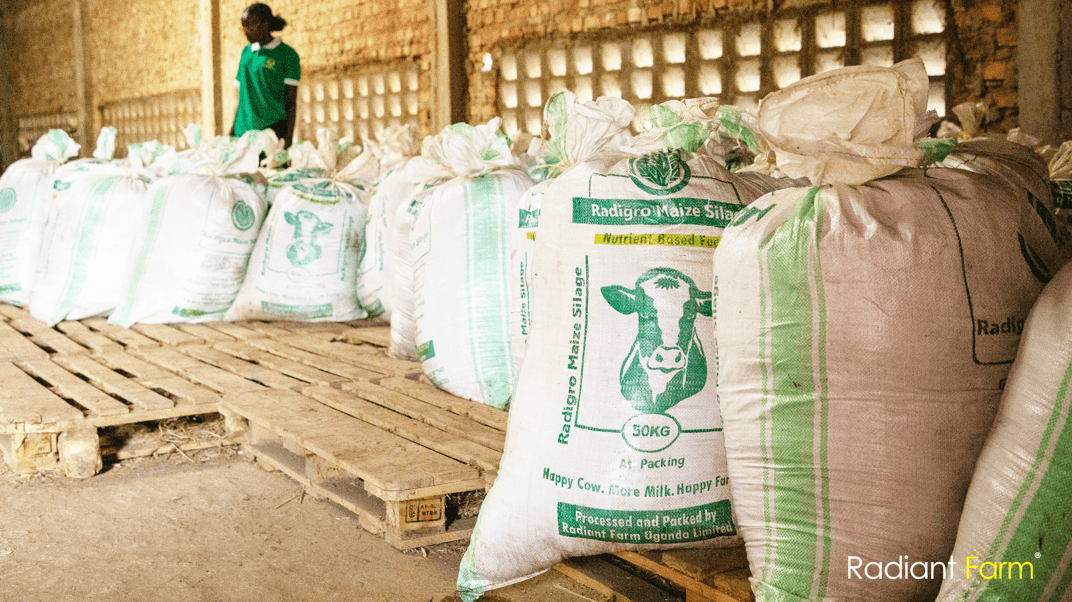
* Use wooden pallets
* Lay poles or stones underneath
* Raise hay at least 15-20 cm above the ground
Even this small change can save a large portion of your feed.
Cover the Top, Protect the Sides
Hay is often protected from above, but forgotten from the sides.
Rain does not fall straight down. Wind drives moisture sideways.
Proper storage means:
* Roofing or tarpaulin cover on top
* Side protection where possible
* Avoiding exposure to direct rain and wind
A well-covered stack can last for months with minimal loss.
Stack It Right (It Matters More Than You Think)
How you stack hay affects airflow and preservation.
Good stacking:
* Allows air to move through
* Prevents moisture buildup
* Reduces heating
Avoid:
* Overly tight stacks with no air movement
* Loose piles exposed to weather
Think of it like this:
Hay needs to “breathe”, but not get wet.
Keep It Away from Animals and Contamination
Another hidden issue:
* Goats climbing on hay
* Cows stepping on stored bales
* Rodents nesting inside
This leads to:
* Physical wastage
* Contamination
* Reduced palatability
Store hay in a designated, protected area.
Check It, Don’t Just Store It
Smart farmers don’t store hay and forget it.
They check regularly for:
* Mold smell
* Heating inside the stack
* Signs of moisture
Good hay:
* Smells fresh
* Has a light green to brown color
* Is free from dust and mold
If it smells bad, cows will eat less, and milk will drop.
Why This Matters More in the Dry Season
During drought:
* Hay becomes the main feed
* There are no second chances
If stored hay is poor:
* Milk production drops
* Cows lose condition
* Farmers are forced to buy expensive alternatives
Proper storage ensures that the hay you prepared actually delivers value when it is needed most.
The Bottom Line
Making hay is only half the job.
Storing it properly is what protects its value.
To maintain quality:
* Dry hay completely before storage
* Keep it off the ground
* Cover it well from rain and wind
* Stack for airflow
* Protect it from contamination
* Inspect it regularly
Good storage turns hay into reliable, high-quality feed, not wasted effort.
📞 Take Action
Quality feed is only useful if it reaches your cows in good condition.
Radiant Farm Uganda Limited provides well-prepared, properly handled hay and maize silage to help farmers maintain strong feeding programs throughout the dry season.
Contact Radiant Farm today and secure feed you can rely on when it matters most. 🐄🌾
Order forage from our website (click here) or from the nearby authorised dealer (click here to find out more)
😉 Call / WhatsApp to confirm your Hay or Maize silage ORDER NOW!
📲📞 +256 790 810 337
📲📞 +256 702 350 821
📲 📞+256 702 760 564
📩 Email: kampala@radiantfarmug.com
📍 Farm Location: Plot 5 Kitotolo Road, Nsangabwami Kikandwa, Mityana - Uganda.
By Oliver Namirimu,
The Manager - Production and Operations at Radiant Farm, specializing in sustainable farming practices and animal nutrition.
Please subscribe to our newsletter ( https://radiantfarmug.com/ ) for more updates from Radiant Farm Uganda.